
From single-product company to sought-after range supplier
Published
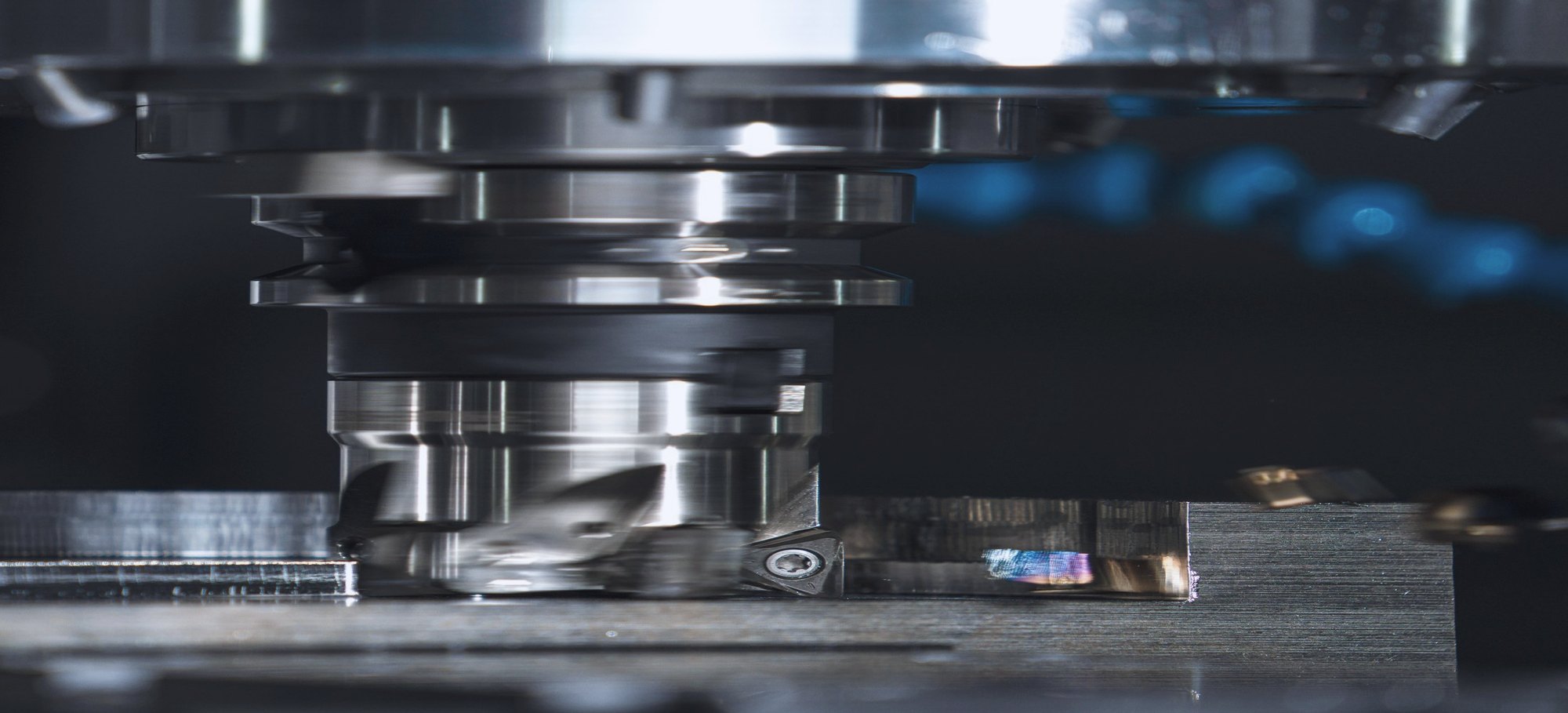
Precision CNC machining, the core business of the restructured special-purpose machinery builder.
How a special-purpose machinery builder went from loss back to profit in 16 months: with Herakles as Chief Restructuring Officer, the EBITDA margin rose from −63 % to +7 % and revenue more than doubled.
Note: This case study describes a single, illustrative engagement. Results depend on each company's starting position and industry and may be above or below the figures shown here.
Starting position: operationally strong, strategically vulnerable
The company, a builder of precision CNC special-purpose machines with around 160 employees in Upper Austria, had built a strong position over many years as a supplier to the automotive industry. OEMs as well as tier-1 and tier-2 suppliers valued its manufacturing quality and reliable project delivery.
This operational strength concealed a structural weakness: the company was geared exclusively to one industry and essentially to one product segment. When demand collapsed, it hit the company with full force. The EBITDA margin fell to −63 %, liquidity was limited to weeks, and the survival of the company was acutely at risk.
The mandate: CRO with full operational responsibility
Herakles Management was mandated as Chief Restructuring Officer, with full operational responsibility, a direct reporting line to the owner and decision-making authority over strategy, organisation and personnel. The planned term was around 24 months.
Securing liquidity, creating room to act
The first step was radical cost management: cutting discretionary spending, renegotiating supplier contracts and adjusting headcount. These measures were necessary to secure the company's immediate survival, but not sufficient to create a lasting perspective.
From single-product company to range supplier
The decisive lever was transforming the business model. Two core development projects were distilled out of the existing development portfolio and laid the foundation for a modular product range. Delivery followed a hybrid approach of in-house and external resources: fast, focused and capital-efficient.

Three markets instead of one customer group
In parallel with product development, new sales markets were opened up systematically: Europe, the USA and Mexico. Product and market strategy meshed, and diversification structurally reduced the dependence on individual customers and industries.
Shopfloor management in one-off production
Operationally, lean management principles and the Herakles TOP approach were introduced, which is considerably more demanding in one-off production than in series production. Pre-engineering was systematised and the design of the new series was switched to modular assemblies. Productivity rose from 63 to 92 %.
Adapting the leadership team
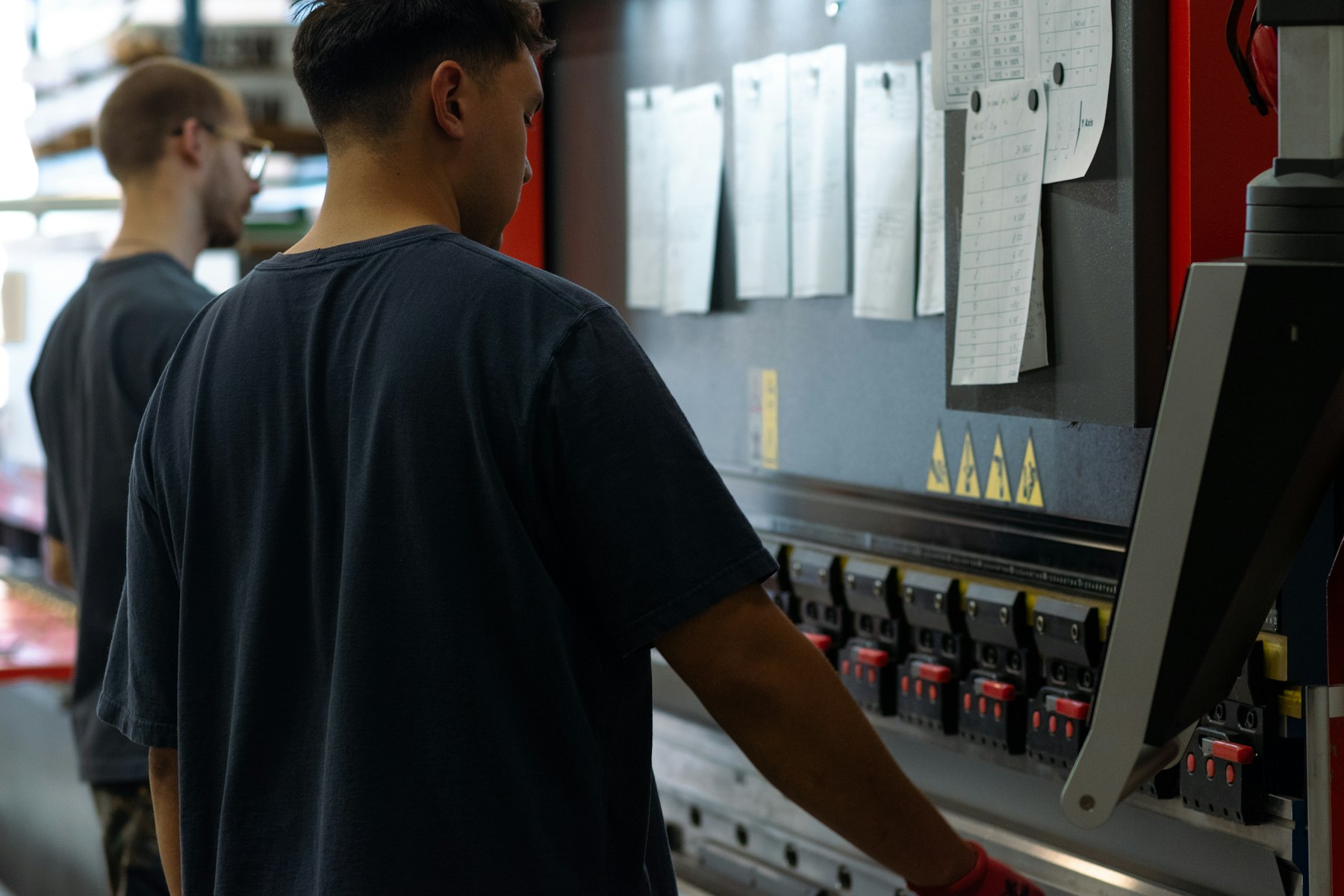
The strategic and operational rebuild required a step-by-step change at leadership level. Leadership teams have to fit the new strategy: in competence, attitude and willingness to take responsibility.
Result: turnaround in 16 months
The turnaround was achieved within 16 months, and after the mandate ended the company reported a positive result again. Of the original 160 jobs, 100 were secured, and the company was re-established as an independent, competitive supplier.
„You really helped our company a lot — thank you for your hard work.“
— Owner of the company
At a glance
| Phase | Restructuring (out-of-court turnaround) |
| Herakles role | Chief Restructuring Officer (CRO) |
| Industry / region | Special-purpose machinery (precision CNC) / Upper Austria |
| Mandate duration | around 24 months (2022–2023) |
| Result | Turnaround achieved; positive annual result after the mandate ended |
| Jobs | 100 of 160 secured |
Three insights from the CRO mandate
What restructuring really takes
- 01
The biggest danger is not the crisis but the dependency.
One product, one industry, one market: invisible in good times, existential in a crisis. Diversification is not a luxury, it is risk management.
- 02
Restructuring without strategic realignment treats symptoms.
Cutting costs secures the next few months, a new strategy secures the next few years. Both have to happen at the same time.
- 03
Leadership teams have to fit the new strategy, not the other way round.
Rebuilding the team was not a by-product but one of the central measures. Not every manager who carried the old model will carry the new one.
— Dr Bernhard Morawetz
Conclusion: restructuring as business development under pressure
Restructuring is not merely a cost programme. It succeeds sustainably when it is understood and delivered as accelerated business development. The CRO role connects strategy and execution in a way that is rarely achievable in day-to-day operations.
Contact: Dr Bernhard Morawetz, Herakles Management · b.morawetz@heraklesmanagement.com